
Varicella, more commonly known as chickenpox, is often considered a mild childhood illness. However, medical evidence shows that varicella infection can lead to serious complications, especially in infants, adults, pregnant women, and people with weakened immunity. With advancements in preventive healthcare, varicella vaccination at home has emerged as a convenient, safe, and effective solution for protecting individuals and families from this highly contagious disease.
This comprehensive guide explains everything you need to know about varicella, the vaccine, vaccination schedules, eligibility, side effects, cost in India, and the benefits of getting vaccinated at home.
What Is Varicella (Chickenpox)?
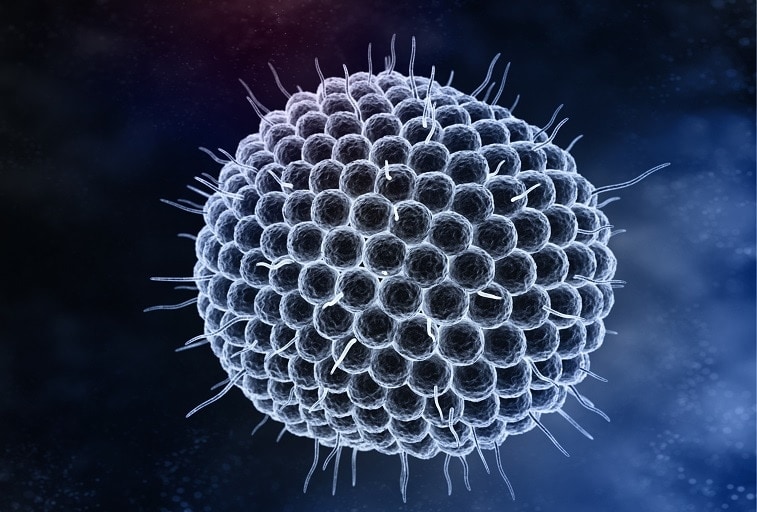
Varicella is a viral infection caused by the Varicella Zoster Virus (VZV). It spreads very easily from person to person through respiratory droplets (coughing or sneezing) and direct contact with fluid from chickenpox blisters. Because of its high contagiousness, one infected person can quickly spread the virus to an entire household or school environment.
Symptoms of Varicella
The symptoms usually appear 10 to 21 days after exposure and may include:
-
Fever and fatigue
-
Headache and body aches
-
Loss of appetite
-
Red, itchy rashes that turn into fluid-filled blisters
-
Scabbing of blisters after a few days
The rash typically starts on the face and trunk before spreading to other parts of the body. While most cases resolve naturally within 1–2 weeks, the itching and discomfort can be severe.
Reactivation as Shingles
After recovery, the virus does not leave the body completely. It remains dormant in nerve tissues and may reactivate years later as shingles (herpes zoster), especially when immunity weakens with age.
Who Is Most at Risk?
-
Infants and newborns
-
Adults who never had chickenpox
-
Pregnant women
-
People with weakened immune systems
This is why vaccination plays a crucial role in prevention.
What Is the Varicella Vaccine?

The varicella vaccine is designed to protect against chickenpox by stimulating the body’s immune system. It contains a live but weakened form of the virus, which helps the immune system recognize and fight future infections without causing the disease itself.
Effectiveness of the Vaccine
-
One dose provides around 80–85% protection
-
Two doses increase effectiveness to 95% or more
-
Breakthrough infections, if they occur, are usually mild
Medical experts strongly recommend two doses for long-term and complete protection.
Types of Varicella Vaccines
-
Standalone varicella vaccine
-
MMRV vaccine (Measles, Mumps, Rubella, and Varicella combined)
The vaccine is administered as a subcutaneous injection, usually in the upper arm or thigh.
Varicella Vaccine for Babies and Children
Chickenpox is generally more severe in babies and can sometimes lead to complications such as pneumonia, skin infections, or encephalitis.
Recommended Schedule for Children
-
First dose: 12 to 15 months of age
-
Second dose (booster): 4 to 6 years
The varicella 1 vaccine price usually applies to the first dose, while the varicella 2 vaccine price in India refers to the booster dose.
Vaccinating children early not only protects them but also helps prevent outbreaks in schools and communities.
Varicella Vaccine for Adults
Adults who never had chickenpox are at higher risk of severe illness. Complications may include pneumonia, hepatitis, and neurological issues.
Adult Vaccination
-
Two doses of varicella vaccine, spaced 28 days apart
-
Recommended for healthcare workers, teachers, caregivers, and travelers
Shingles Prevention in Older Adults
For adults above 50 years, varicella zoster vaccines are recommended to prevent shingles:
-
Zostavax – live vaccine
-
Shingrix – non-live vaccine (preferred, two doses)
Shingrix is currently the most effective option for shingles prevention.
Varicella Vaccine Schedule (WHO Recommendations)
The World Health Organization (WHO) provides clear guidelines:
Infants and Children
-
First dose: 12–18 months
-
Second dose: At least 3 months after the first
-
Booster: 4–6 years
Adolescents (13+ years) and Adults
-
Two doses
-
Minimum gap of 28 days
Following the correct schedule ensures maximum immunity and long-lasting protection.
Varicella Vaccine Age Guidelines
-
Minimum age: 12 months
-
No upper age limit
-
Any adult without prior infection or vaccination can safely receive the vaccine
Vaccination is especially important before pregnancy, international travel, or planned medical procedures.
Varicella Vaccine Side Effects
Most people tolerate the vaccine well, and side effects are usually mild and temporary.
Common Side Effects
-
Pain or swelling at injection site
-
Mild fever
-
Runny or blocked nose
-
Headache and fatigue
-
Muscle and joint pain
-
Nausea or diarrhea
These symptoms usually resolve within a few days.
Rare but Serious Side Effects
-
High fever
-
Seizures or convulsions
-
Difficulty breathing
-
Severe allergic reactions (swelling of face, lips, throat)
Anyone experiencing severe reactions should seek immediate medical attention and avoid future booster doses.
Who Should Not Take the Varicella Vaccine?
Varicella vaccination may not be suitable for:
-
Pregnant women
-
People with HIV/AIDS
-
Cancer patients
-
Individuals on radiation or long-term steroid therapy
-
Recent blood transfusion recipients
Always consult a healthcare professional before vaccination.
Varicella Vaccine Price in India
The varicella vaccine price in India varies based on the type of vaccine, brand, dosage, and healthcare provider.
Average Cost Breakdown
-
Chickenpox vaccine price: ₹1,800 – ₹2,500
-
Varicella 1 vaccine price: Around ₹2,000
-
Varicella 2 vaccine price: ₹400 – ₹800
-
Varicella 2 vaccine price in India may vary by city and provider
Additional charges may apply for doctor consultation and home visit services. Prices for MMRV vaccines are usually higher.
Benefits of Varicella Vaccination at Home
Home vaccination services are transforming preventive healthcare by making it more accessible and comfortable.
Key Advantages
-
No travel or waiting time
-
Reduced exposure to infections
-
Ideal for children, elderly, and busy families
-
Professional administration by trained doctors or nurses
-
Flexible scheduling
Varicella vaccination at home ensures safety, convenience, and peace of mind for the entire family.
FAQs
1. Is varicella vaccination mandatory?
While not legally mandatory in India, it is strongly recommended by healthcare professionals.
2. Can adults get chickenpox vaccine?
Yes. Adults without prior infection should get two doses.
3. Is the vaccine safe for children?
Yes. It has been used worldwide for decades and has a strong safety record.
4. Can vaccinated people still get chickenpox?
Rarely. If they do, symptoms are usually very mild.
5. What is the difference between varicella 1 and varicella 2 vaccine?
The first dose builds initial immunity, while the second dose strengthens and prolongs protection.
6. How long does vaccine protection last?
Protection is long-lasting and often lifelong after two doses.
Conclusion
Varicella may appear to be a routine childhood illness, but its potential complications make prevention essential. Vaccination remains the most effective way to protect children and adults from chickenpox and shingles. With clear vaccination schedules, proven safety, and increasing accessibility, varicella vaccination at home offers a modern, convenient solution for preventive healthcare.
Understanding the varicella vaccine price, following the recommended dosage schedule, and opting for timely vaccination can safeguard not just individuals but entire families and communities. Investing in vaccination today ensures long-term health, comfort, and peace of mind for tomorrow.