
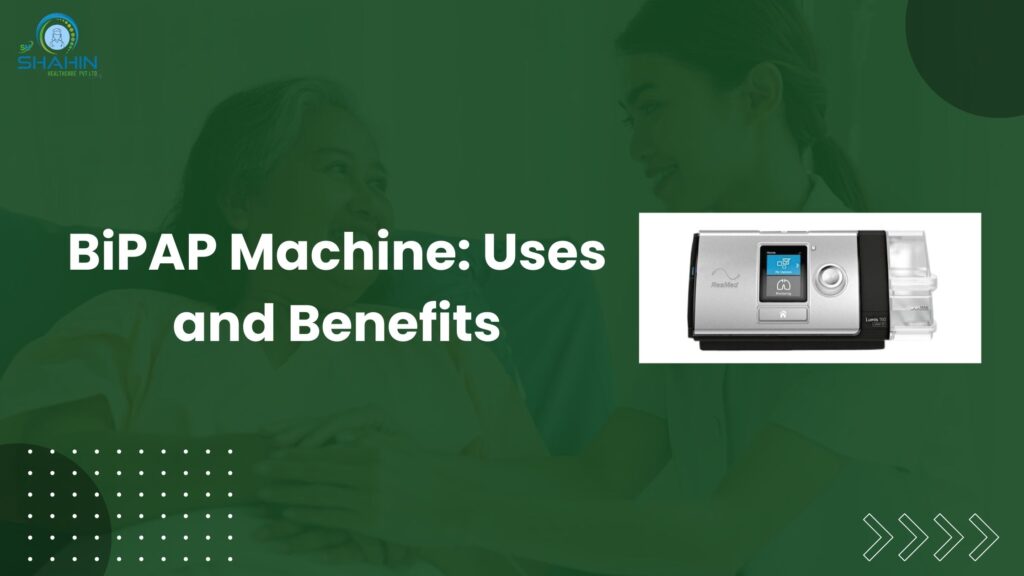
Breathing is something most of us take for granted—until it becomes difficult. For people living with respiratory conditions, even simple activities like sleeping or walking can feel exhausting. This is where non-invasive ventilation devices such as the BiPAP machine play a crucial role. Designed to support breathing without the need for intubation, BiPAP therapy has transformed respiratory care both in hospitals and at home.
In this comprehensive guide, we will explain what is BiPAP, its meaning, how it works, the BiPAP machine uses, benefits, side effects, selection tips, and frequently asked questions to help patients and caregivers make informed decisions.
Respiratory disorders are increasingly common due to lifestyle factors, pollution, aging, and chronic illnesses. Conditions such as COPD, sleep apnea, neuromuscular disorders, and post-infection breathing weakness often require assisted ventilation. While oxygen therapy helps increase oxygen levels, it does not support the actual effort of breathing.
A BiPAP machine bridges this gap by assisting both inhalation and exhalation. It reduces breathing effort, improves gas exchange, and allows patients to breathe more comfortably—often from the comfort of their home.
What Is a BiPAP Machine?
_Lumis%20150%20VPAP%20ST%20APAC1%20-2-541631700957.jpg)
To understand what is BiPAP, let’s first look at the BiPAP meaning.
BiPAP stands for Bilevel Positive Airway Pressure. It is a non-invasive ventilation device that delivers pressurized air into the lungs through a mask to help patients breathe more effectively.
Unlike basic oxygen delivery systems, BiPAP actively supports breathing by providing two different pressure levels:
-
Higher pressure during inhalation
-
Lower pressure during exhalation
This dual-pressure system makes breathing easier, especially for people who struggle to exhale against continuous pressure.
Who Needs a BiPAP Machine?
-
Patients with chronic respiratory diseases
-
Individuals with breathing failure due to muscle weakness
-
People with complex or central sleep apnea
-
Patients recovering from serious lung infections
How Does a BiPAP Machine Work?
A BiPAP machine works by delivering air at two pressure levels:
-
Inspiratory Positive Airway Pressure (IPAP)
-
Helps push air into the lungs
-
Reduces the effort required to inhale
-
-
Expiratory Positive Airway Pressure (EPAP)
-
Keeps airways open during exhalation
-
Prevents airway collapse
-
The machine adjusts airflow based on the patient’s breathing pattern, either automatically or through preset settings prescribed by a doctor.
Role of the Mask
The airflow is delivered using a mask—nasal, full-face, or nasal pillows. BiPAP mask uses include:
-
Creating a sealed airflow pathway
-
Ensuring effective pressure delivery
-
Improving comfort during therapy
A well-fitted mask is essential for effective treatment and comfort.
How to Use a BiPAP Machine and When?
Using a BiPAP machine correctly ensures maximum benefit and minimizes discomfort.
Basic Steps to Use a BiPAP Machine
-
Place the mask securely over the nose or mouth
-
Adjust straps for comfort without over-tightening
-
Turn on the machine and relax your breathing
-
Follow prescribed pressure and duration
BiPAP therapy may be used at night, during daytime rest, or continuously depending on the medical condition.
BiPAP Machine Uses
The uses of BiPAP machine span across multiple medical conditions where breathing support is required.
1. Chronic Obstructive Pulmonary Disease (COPD)
BiPAP reduces carbon dioxide retention and eases labored breathing during flare-ups.
2. Sleep Apnea
For patients who cannot tolerate CPAP, BiPAP provides a more comfortable alternative by reducing exhalation pressure.
3. Respiratory Failure
In acute or chronic respiratory failure, BiPAP supports breathing without invasive ventilation.
4. Neuromuscular Disorders
Conditions like ALS or muscular dystrophy weaken breathing muscles, making BiPAP essential for ventilation support.
5. Post-Infection or Post-Surgery Recovery
BiPAP helps restore normal breathing patterns and prevents lung collapse.
These BiPAP machine uses make it a versatile and life-enhancing device.
When to Use a BiPAP Machine
A BiPAP machine is typically recommended when:
-
Oxygen levels remain low despite oxygen therapy
-
Carbon dioxide levels are elevated
-
Breathing becomes labored or rapid
-
Night-time breathing worsens
-
A doctor prescribes non-invasive ventilation
It can be used in hospitals, step-down units, or at home under medical supervision.
BiPAP Machine vs CPAP Machine
While both are positive airway pressure devices, they serve different needs.
| Feature | BiPAP | CPAP |
|---|---|---|
| Pressure Levels | Two (IPAP & EPAP) | Single continuous pressure |
| Comfort | Easier exhalation | Can feel restrictive |
| Best For | COPD, respiratory failure | Obstructive sleep apnea |
| Cost | Higher | Lower |
Patients who find CPAP uncomfortable often benefit more from BiPAP therapy.
What Are the Benefits of a BiPAP Machine?
The benefits of BiPAP therapy go beyond breathing support.
Key Benefits:
-
Reduces breathing effort
-
Improves oxygen and carbon dioxide exchange
-
Enhances sleep quality
-
Prevents hospital admissions
-
Supports long-term respiratory health
-
Improves energy levels and daily function
By easing the work of breathing, BiPAP allows patients to rest, heal, and maintain independence.
Are There Any Side Effects of a BiPAP Machine?
Although generally safe, some users may experience mild side effects.
Common Side Effects:
-
Dry mouth or nasal dryness
-
Skin irritation from mask
-
Bloating due to swallowed air
-
Mild discomfort initially
How to Manage Side Effects:
-
Use a humidifier
-
Ensure proper mask fitting
-
Gradually increase usage time
-
Consult a healthcare provider for adjustments
Most side effects are temporary and manageable.
How to Select a BiPAP Machine for Yourself
Choosing the right BiPAP machine is crucial for effective therapy.
Factors to Consider:
-
Doctor-prescribed pressure settings
-
Type of machine (standard, auto, ST)
-
Mask type and comfort
-
Noise level
-
Humidifier availability
-
Ease of maintenance
-
Rental vs purchase option
Never self-prescribe a BiPAP machine. Always follow medical guidance.
Patient Testimonials
Ms. R. Poornima
“After starting BiPAP therapy, my night-time breathlessness reduced significantly. I sleep better and feel more energetic during the day.”
Bhaskar Pramanik
“I was struggling with COPD flare-ups. The BiPAP machine made breathing easier and helped me recover faster at home.”
Narayana Murthy K
“Using BiPAP has improved my quality of life. I can now manage my condition without frequent hospital visits.”
FAQs
How long can someone use a BiPAP machine?
BiPAP can be used short-term or long-term depending on the condition. Some patients require it only during illness, while others may need lifelong support under medical supervision.
What is the difference between BiPAP and an oxygen concentrator?
An oxygen concentrator supplies oxygen, while BiPAP assists the actual breathing process by providing pressure support.
Is BiPAP considered a form of life support?
BiPAP is a non-invasive form of ventilation but does not replace invasive life support systems like ventilators.
Can BiPAP help increase oxygen levels?
Yes. By improving ventilation and airway pressure, BiPAP indirectly increases oxygen saturation.
Does BiPAP require an ICU setting?
No. BiPAP can be used in hospitals, step-down units, and at home with proper monitoring.
Conclusion
Understanding what is BiPAP, its meaning, and the wide range of BiPAP machine uses can help patients and caregivers make confident healthcare decisions. From managing chronic lung diseases to supporting recovery after illness, BiPAP therapy offers a reliable, non-invasive solution for breathing difficulties.
With proper medical guidance, correct mask selection, and consistent use, a BiPAP machine can significantly improve comfort, sleep quality, and overall quality of life. If breathing feels like a struggle, timely intervention with the right respiratory support can make all the difference.