
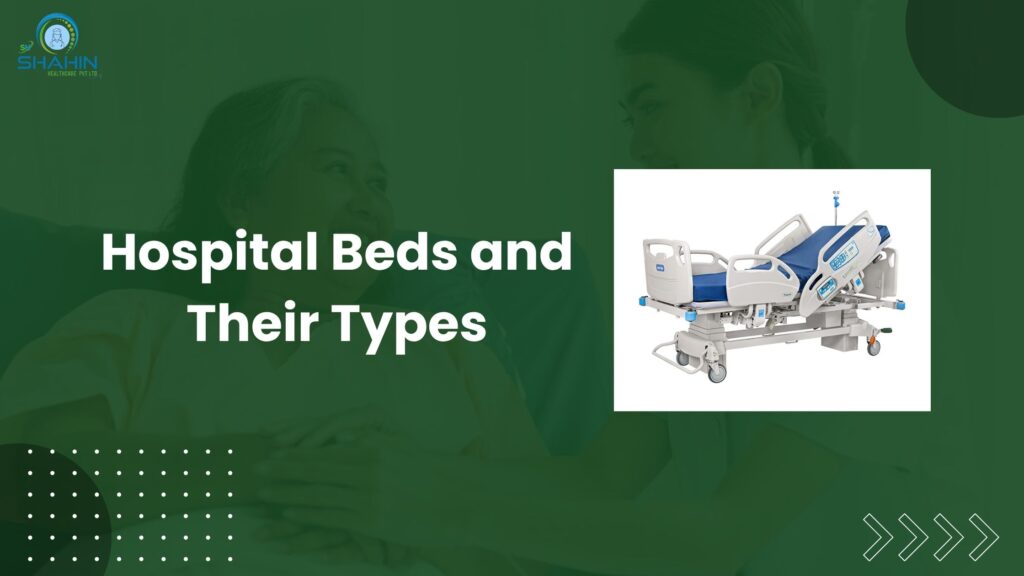
Hospital beds are an essential part of modern healthcare, designed to provide comfort, safety, and proper positioning for patients during treatment and recovery. Unlike regular beds, hospital beds are equipped with specialized features that support both patients and caregivers. From adjustable positions to advanced motorized controls, these beds play a critical role in improving patient outcomes.
With the growing trend of home healthcare, the demand for different types of beds in hospital settings has extended into homes as well. Choosing the right type of bed in hospital or for home use depends on the patient’s condition, level of mobility, and duration of care. Understanding the various bed types in hospital environments can help families and caregivers make informed decisions.
Different Types of Beds in Hospital
There are several types of beds in hospital, each designed for specific medical needs. These beds vary based on functionality, technology, and level of comfort. Some are manually operated, while others are fully automated with advanced features.
The most common types of beds in hospital include:
- Fowler beds
- Semi Fowler beds
- Electric beds
- Manual beds
- Motorized beds
- Recliner beds
- Air mattresses
Each of these types of bed in nursing care serves a unique purpose, ensuring that patients receive proper support and care depending on their medical condition.
Fowler Bed
A Fowler bed is one of the most commonly used bed types in hospital settings. It allows the head section of the bed to be elevated to different angles, typically ranging from 45 to 90 degrees.
Key Features:
- Adjustable head and knee sections
- Supports upright positioning
- Enhances breathing and circulation
Uses:
Fowler beds are especially useful for patients with respiratory issues, cardiac conditions, or those recovering from surgery. Elevating the upper body helps reduce pressure on the chest and improves oxygen intake.
Benefits:
- Improves patient comfort
- Reduces risk of aspiration
- Supports eating and communication
This is one of the most versatile types of beds in hospital and is widely used in both hospitals and home care.
Semi Fowler Bed
A Semi Fowler bed is similar to a Fowler bed but offers a lower elevation angle, typically between 30 to 45 degrees.
Key Features:
- Moderate head elevation
- Comfortable resting position
- Less strain on the body
Uses:
This type of bed in hospital is ideal for patients who do not require full upright positioning but still need some elevation. It is commonly used for patients recovering from mild illnesses or surgeries.
Benefits:
- Promotes relaxation
- Reduces pressure on the lower back
- Helps prevent bedsores
Among the different types of bed in nursing, the Semi Fowler bed is known for balancing comfort and functionality.
Electric Bed
Electric hospital beds are advanced beds that use motors to adjust different sections of the bed with the help of a remote control.
Key Features:
- Remote-controlled adjustments
- Multiple positioning options
- Minimal physical effort required
Uses:
These types of beds in hospital are ideal for patients who require frequent repositioning. Caregivers can easily adjust the bed without manual effort.
Benefits:
- Enhances patient independence
- Reduces caregiver strain
- Provides precise positioning
Electric beds are increasingly popular in home healthcare due to their convenience and ease of use.
Manual Beds
Manual hospital beds are operated using hand cranks to adjust the position of the bed.
Key Features:
- Mechanical adjustment system
- No electricity required
- Simple design
Uses:
This type of bed in hospital is suitable for settings where electricity may not be reliable or for short-term use.
Benefits:
- Cost-effective
- Durable and low maintenance
- Easy to operate with basic training
Manual beds remain one of the most economical types of beds in hospital.
Motorized Bed
Motorized beds are similar to electric beds but often come with more advanced features and smoother adjustments.
Key Features:
- Fully automated controls
- Multiple movement options
- Enhanced comfort settings
Uses:
These bed types in hospital are ideal for long-term patients, elderly individuals, or those with limited mobility.
Benefits:
- Improves quality of life
- Allows customized positioning
- Reduces dependency on caregivers
Motorized beds represent the advanced category of types of bed in nursing care.
Recliner Bed
Recliner beds are designed for comfort and flexibility, allowing patients to sit, recline, or lie flat.
Key Features:
- Chair-like design
- Smooth reclining mechanism
- Compact structure
Uses:
This type of bed in hospital is commonly used for elderly patients or those who spend long hours in bed.
Benefits:
- Enhances comfort
- Improves mobility
- Suitable for home environments
Recliner beds are among the most comfortable types of beds in hospital, especially for non-critical care.
Air Mattress
An air mattress is not a bed itself but an essential accessory used with hospital beds, especially for bedridden patients.
Key Features:
- Air-filled chambers
- Pressure redistribution system
- Adjustable firmness
Uses:
Air mattresses are widely used in types of bed in nursing care to prevent pressure ulcers or bedsores.
Benefits:
- Reduces pressure points
- Improves blood circulation
- Enhances patient comfort
They are an important addition to many bed types in hospital, particularly in long-term care.
Hospital Bed On Rent
Renting hospital beds has become a popular option, especially for home care patients.
Why Rent Instead of Buy?
- Lower upfront cost
- Ideal for short-term use
- No maintenance worries
When to Rent:
- Post-surgery recovery
- Temporary illness
- Elderly care at home
Benefits:
- Flexible options
- Access to advanced beds
- Convenient delivery and setup
Renting is a practical solution for accessing different types of beds in hospital without a heavy investment.
Also Know About:
When choosing the right type of bed in hospital, it is important to consider additional aspects such as:
- Home nursing services
- Patient care support
- Space availability at home
- Safety features like side rails and brakes
A well-planned setup ensures that the patient receives proper care and comfort.
FAQs
What are the prerequisites for obtaining an at-home hospital bed?
To set up a hospital bed at home, you need:
- Adequate space for the bed and movement
- Stable power supply (for electric beds)
- Medical recommendation (in some cases)
- A caregiver or family member for assistance
How should one go about selecting a hospital bed?
Choosing the right type of bed in hospital depends on:
- Patient’s medical condition
- Level of mobility
- Duration of use
- Budget and required features
Always consider comfort, safety, and ease of use before making a decision.
What is the cost of hospital beds?
The cost varies depending on the types of beds in hospital:
- Manual beds: Budget-friendly
- Electric beds: Mid-range
- Motorized beds: Premium category
Rental options are also available at lower costs for short-term needs.
Can hospital beds be used at home?
Yes, many bed types in hospital are designed for home use. They are easy to install and provide the same level of comfort and functionality as in hospitals.
How comfortable are hospital beds?
Hospital beds are designed with patient comfort in mind. Features like adjustable positions, specialized mattresses, and ergonomic designs make them highly comfortable for long-term use.
Conclusion
Understanding the different types of beds in hospital is crucial for ensuring proper patient care and comfort. Each type of bed in hospital serves a unique purpose, from basic manual beds to advanced motorized systems. Whether in a hospital or at home, selecting the right bed can significantly improve recovery, reduce complications, and enhance the overall quality of life.
With the availability of multiple types of bed in nursing care, patients and caregivers now have more options than ever before. By evaluating individual needs, budget, and medical requirements, you can choose the most suitable option among the various bed types in hospital and ensure the best possible care experience.