
Monitoring blood sugar levels is one of the most important steps in identifying and managing diabetes and other metabolic disorders. Among the various diagnostic tests available, the Random Blood Sugar (RBS) test is one of the simplest, quickest, and most commonly recommended blood tests. It helps doctors understand how your body is handling glucose at any random point during the day.
In this detailed guide, we will explain everything you need to know about the random blood sugar (RBS) test—from the RBS test full form and RBS test means, to RBS unit, normal ranges, interpretation of results, procedure, preparation, and frequently asked questions.
What is Blood Sugar or Blood Glucose?
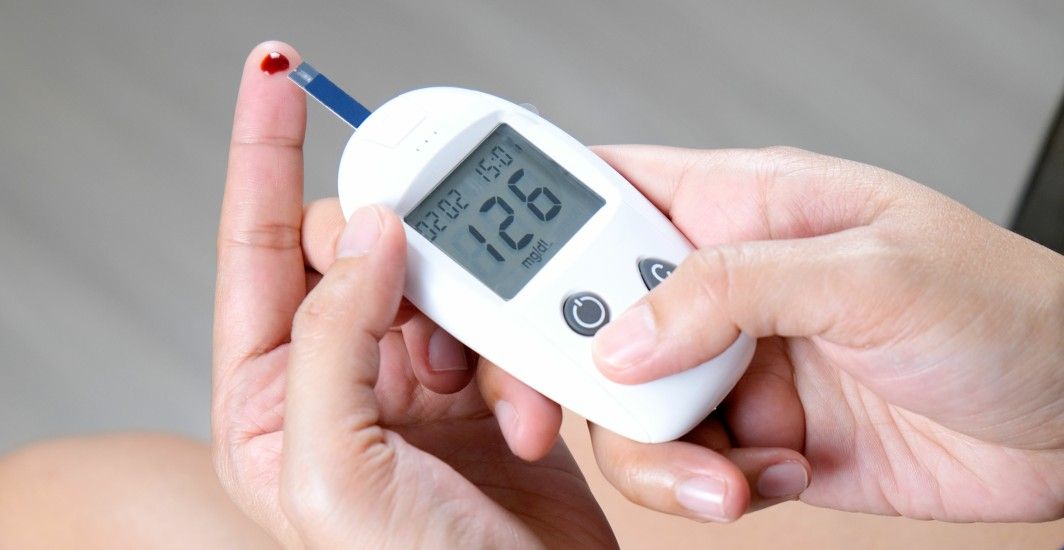
Blood sugar, also known as blood glucose, refers to the amount of glucose present in the bloodstream. Glucose is a type of sugar that comes primarily from the food we eat, especially carbohydrates. Once consumed, carbohydrates are broken down into glucose, which enters the bloodstream and serves as the body’s main source of energy.
Blood glucose plays a crucial role in:
-
Fueling the brain
-
Supporting muscle movement
-
Maintaining organ function
-
Regulating metabolic activities
The human body carefully regulates blood sugar levels using hormones like insulin and glucagon. When this balance is disturbed, blood sugar levels may rise (hyperglycaemia) or fall (hypoglycaemia). Persistent high blood sugar levels can lead to diabetes mellitus, a chronic metabolic condition.
RBS Test Full Form and Meaning
RBS Test Full Form
The RBS test full form is Random Blood Sugar Test.
RBS Test Means
The RBS test means measuring the level of glucose in the blood at any random time of the day, regardless of when you last ate. Unlike fasting or post-meal tests, the RBS test does not require a specific testing schedule.
In simple terms, RBS in blood test helps assess how much sugar is present in your blood at the moment the sample is taken.
What is Random Blood Sugar (RBS) Test?
A random blood sugar (RBS) test is a blood test used to measure glucose levels at any point during the day, without the need for fasting. It is often recommended when a person shows symptoms of diabetes or when immediate blood sugar assessment is required.
The RBS test is commonly used:
-
For early detection of diabetes
-
During diabetes treatment to monitor glucose levels
-
In emergency situations
-
As part of routine health checkups
According to medical guidelines, an RBS value of 200 mg/dL or higher, along with symptoms of diabetes, strongly indicates diabetes mellitus.
Why is the RBS Test Important?
The RBS test plays a critical role in detecting and managing abnormal blood sugar levels. Since it can be done at any time, it is especially helpful in situations where fasting is not possible.
Key Reasons to Get an RBS Test
-
Quick screening for diabetes
-
Helps detect uncontrolled blood sugar
-
Monitors effectiveness of diabetes treatment
-
Identifies risk of complications
-
Useful in emergencies or sudden symptoms
Symptoms That May Require an RBS Test
Doctors often recommend an RBS test if a person experiences:
-
Frequent urination
-
Excessive thirst
-
Unexplained weight loss
-
Blurred vision
-
Slow wound healing
-
Fatigue
-
Dry mouth
RBS in Blood Test: How It Works
The RBS in blood test measures how efficiently your body is managing glucose at that moment. Since blood sugar levels fluctuate throughout the day depending on meals, physical activity, stress, and medications, the RBS test provides a snapshot of real-time glucose levels.
It is often used as an initial diagnostic tool and may be followed by additional tests if abnormal results are detected.
RBS Unit: How is Blood Sugar Measured?
The RBS unit used to measure blood glucose is:
-
Milligrams per deciliter (mg/dL)
This unit indicates the amount of glucose present in 100 milliliters of blood. Some countries may use mmol/L, but mg/dL is the most commonly used unit in India and many other regions.
Normal Range of Random Blood Sugar Test
Understanding your RBS value is crucial for interpreting test results correctly.
Random Blood Sugar Normal Values
-
Normal: Below 140 mg/dL
-
Pre-diabetes: 140–199 mg/dL
-
Diabetes: 200 mg/dL or higher
If a random blood sugar test shows a reading of 200 mg/dL or above, especially with symptoms of diabetes, it strongly suggests diabetes mellitus.
What Do RBS Test Results Mean?
The RBS test is a useful indicator of glucose metabolism, but results should always be interpreted by a healthcare professional.
Interpretation of Results
-
70–110 mg/dL: Normal glucose tolerance
-
110–126 mg/dL: Impaired glucose regulation
-
140–199 mg/dL: Pre-diabetic range
-
≥200 mg/dL: Likely diabetes mellitus
Abnormal results may require further confirmation through additional blood tests.
Other Tests Recommended Along with RBS Test
While the RBS test is helpful, it may not always be sufficient to confirm diabetes. Depending on the results, doctors may advise additional tests such as:
-
Fasting Blood Sugar (FBS) Test
-
Postprandial Blood Sugar (PPBS) Test
-
Oral Glucose Tolerance Test (OGTT)
-
HbA1c Test
These tests provide a more comprehensive understanding of long-term and short-term glucose control.
How is Random Blood Sugar Test Done?
The procedure for an RBS test is simple and quick.
RBS Test Procedure
-
A healthcare professional cleans the area (usually the arm).
-
Blood is drawn from a vein using a sterile needle.
-
The sample is sent to the laboratory for analysis.
The test involves minimal discomfort, typically just a small needle prick.
Preparation Needed for RBS Test
One of the biggest advantages of the RBS test is that it requires no fasting or special preparation.
However, it is important to:
-
Inform your doctor about any ongoing medications
-
Mention steroid use or hormonal treatments
-
Share details of existing medical conditions
Certain medications can temporarily raise blood sugar levels and affect results.
Sample Required for Random Blood Sugar Test
-
Specimen Type: Blood (Serum or Plasma)
-
Collection Method: Venipuncture (blood drawn from a vein, usually from the arm)
Random Blood Sugar Test Cost
The cost of an RBS test can vary depending on:
-
City
-
Diagnostic laboratory
-
Healthcare facility
Generally, the RBS test is considered affordable and cost-effective, making it accessible for routine screening and monitoring.
Understanding RBS Reference Ranges
Reference ranges help doctors interpret test results accurately. These ranges may differ slightly based on age, gender, lab methods, and instruments used.
Reference Interpretation Table
| Blood Sugar Level (mg/dL) | Interpretation |
|---|---|
| 70–110 | Normal Glucose |
| 110–126 | Impaired Glucose |
| >126 | Provisional Diabetes |
| ≥200 | Confirmed Diabetes (with symptoms) |
FAQs
1. What is the RBS test full form?
The RBS test full form is Random Blood Sugar Test.
2. What does RBS test mean?
The RBS test means measuring blood glucose at any random time of the day without fasting.
3. Is fasting required for RBS test?
No, fasting is not required for a random blood sugar test.
4. What is the normal RBS unit?
The standard RBS unit is mg/dL (milligrams per deciliter).
5. Can RBS test diagnose diabetes?
Yes, an RBS value of 200 mg/dL or above, along with symptoms, can indicate diabetes. However, confirmation tests are often recommended.
6. Is RBS test accurate?
The RBS test is accurate for screening but may need to be supported by additional tests for a definitive diagnosis.
Conclusion
The random blood sugar (RBS) test is a simple yet powerful diagnostic tool used to measure blood glucose levels at any given time. Understanding the RBS test full form, RBS test means, RBS in blood test, and RBS unit helps individuals take informed steps toward better health.
Whether used for early detection, monitoring diabetes, or evaluating sudden symptoms, the RBS test offers quick insights into glucose metabolism. While it does not require fasting or special preparation, abnormal results should always be followed up with additional tests and professional medical advice.
Regular monitoring, healthy lifestyle choices, and timely diagnosis can go a long way in preventing complications and maintaining optimal blood sugar control.