

Summary
Varicella, commonly known as chickenpox, is a highly contagious viral infection caused by the varicella-zoster virus. While the disease is often mild in children, it can cause serious complications in infants, adults, and individuals with weakened immune systems. The varicella vaccine provides effective protection against this infection and can now be easily administered in the comfort of your home by certified healthcare professionals. In this comprehensive guide, we’ll discuss what the varicella vaccine is, its schedule, cost, side effects, and why home vaccination is an ideal choice.
1. What is Varicella Vaccine?
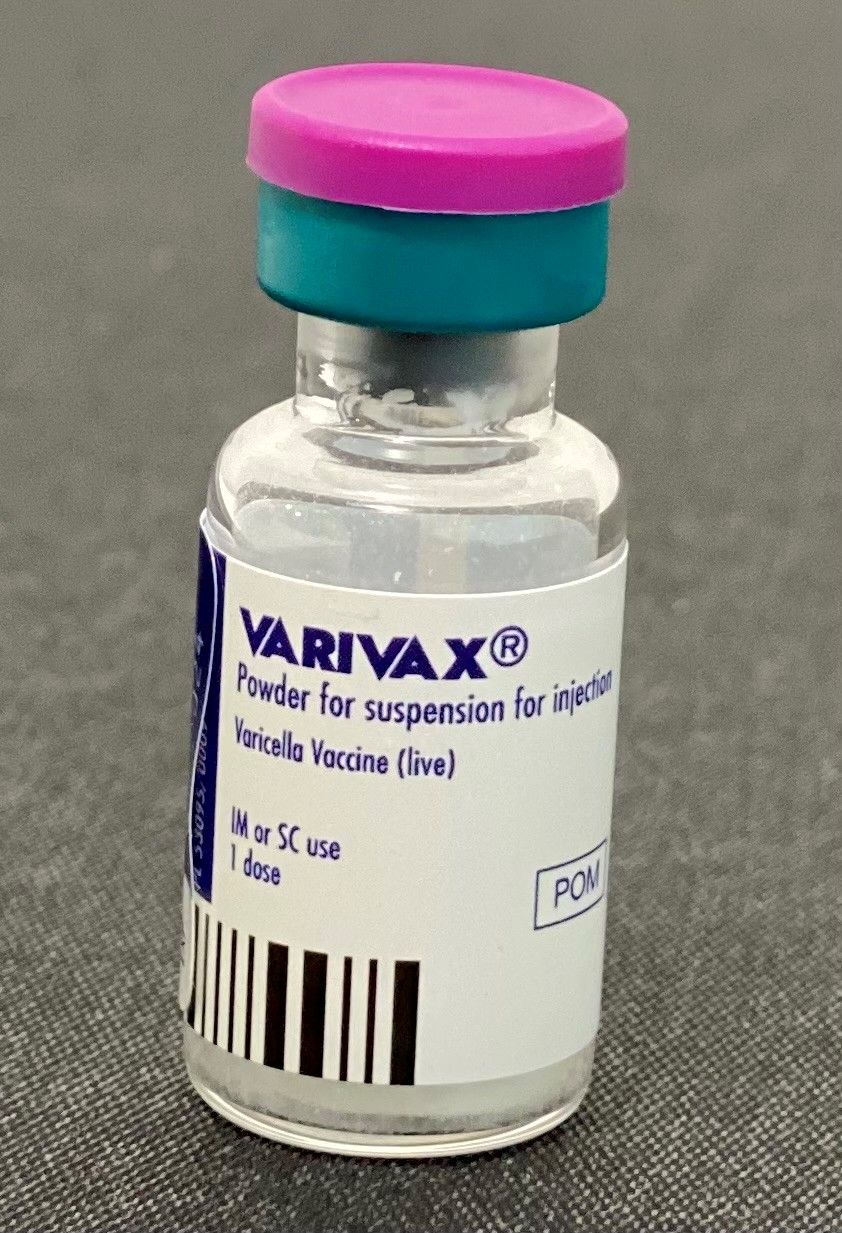
Varicella, or chickenpox, is a viral infection that causes itchy, blister-like rashes all over the body. The infection typically begins with fever, fatigue, and loss of appetite, followed by fluid-filled blisters that eventually scab over. The virus spreads through direct contact or through the air by coughing or sneezing.
The varicella vaccine is a live, attenuated (weakened) vaccine that stimulates the body’s immune system to produce antibodies against the varicella-zoster virus. These antibodies protect against future infection or reduce the severity of the disease if exposed.
Although chickenpox is generally mild, it can be severe in infants, pregnant women, and immunocompromised individuals. Hence, vaccination plays a critical preventive role. The vaccine not only protects against chickenpox but also helps prevent shingles in older adults since shingles is a reactivation of the same virus.
In most countries, varicella vaccination is a part of the routine immunization schedule, and in India, it is strongly recommended by pediatricians.
2. How Does the Varicella Vaccine Work?
The varicella vaccine contains a weakened strain of the varicella-zoster virus, which helps the body develop immunity without causing the full-blown disease. Once injected, the immune system recognizes the virus as a foreign invader and produces antibodies to fight it. This ensures that if the person is exposed to the real virus in the future, their immune system can effectively neutralize it before infection occurs.
Two doses of the vaccine provide about 95% effectiveness in preventing chickenpox and nearly 100% effectiveness in preventing severe forms of the disease.
3. Types of Varicella Vaccines
There are different formulations of the varicella vaccine available globally and in India. Here’s a breakdown:
a. Standalone Varicella Vaccine
This type of vaccine targets only the varicella-zoster virus and is commonly used in India. It is suitable for children and adults who have not had chickenpox before.
b. Combination Vaccine (MMRV)
In some countries, the varicella vaccine is combined with measles, mumps, and rubella to form the MMRV vaccine. This combination reduces the number of injections a child needs but may vary in cost and availability.
c. Varicella Zoster Vaccine (for Adults)
Adults aged 50 and above can receive a higher-dose vaccine to prevent shingles (herpes zoster). There are two main types:
-
Zostavax: A live vaccine, given as a single dose.
-
Shingrix: A non-live recombinant vaccine, given in two doses, 2–6 months apart. It is more effective and preferred for older adults.
4. Varicella Vaccine Schedule
The World Health Organization (WHO) and the Indian Academy of Pediatrics (IAP) recommend one or two doses of the varicella vaccine, depending on age and health condition.
For Infants and Children
-
First Dose: Between 12 to 18 months of age
-
Second Dose: At least 3 months after the first dose
-
Booster Dose: Between 4 to 6 years of age for long-term protection
For Adolescents and Adults
Individuals over 13 years who have never had chickenpox or have not been vaccinated should receive:
-
Two doses of the varicella vaccine, spaced at least 28 days apart
Timely vaccination ensures lifelong immunity and reduces the risk of complications like pneumonia or encephalitis caused by the varicella-zoster virus.
5. Varicella Vaccine Age Criteria
The minimum age for the varicella vaccine is 12 months, but there is no upper age limit. Adults who have never been infected with chickenpox or who have not been vaccinated should still get immunized. This is especially important for:
-
Healthcare workers
-
Teachers and daycare staff
-
Women of childbearing age (who are not pregnant)
-
Adults living with children or immunocompromised people
By getting vaccinated, adults can also help prevent the spread of the virus to others in their household or workplace.
6. Varicella Vaccine Side Effects
Like all vaccines, the varicella vaccine is generally safe but may cause mild side effects. These effects are temporary and usually resolve on their own.
Common Side Effects
-
Mild pain, redness, or swelling at the injection site
-
Fever
-
Headache
-
Runny nose or sore throat
-
Fatigue and drowsiness
-
Mild rash resembling chickenpox
-
Muscle or joint pain
-
Upset stomach or nausea
Rare but Severe Side Effects
Though extremely uncommon, some individuals may experience:
-
Seizures (febrile convulsions)
-
High fever
-
Allergic reactions like swelling of the face or throat
-
Difficulty breathing or chest tightness
People who develop serious allergic symptoms after the first dose should not take the second dose. Always consult a healthcare provider if symptoms persist.
Also Read: Back Care Steps in Nursing
7. Who Should Avoid the Varicella Vaccine?
Certain individuals should not receive the varicella vaccine without consulting a doctor, such as:
-
Pregnant women (should wait until after delivery)
-
People with HIV/AIDS or other immune system disorders
-
Individuals undergoing cancer treatment or radiation therapy
-
People on high-dose steroids or immunosuppressive drugs
-
Those who have recently received a blood transfusion or immune globulin
These conditions can weaken the immune system, making live vaccines potentially unsafe.
8. Varicella Vaccine Price and Cost in India
The varicella vaccine price in India varies depending on the type, brand, dosage, and healthcare provider. Here’s a breakdown of the typical pricing:
-
Varicella 1 vaccine price (first dose): ₹1,800 – ₹2,500 per dose
-
Varicella 2 vaccine price (second dose): ₹500 – ₹800 for the booster dose
-
Chickenpox vaccine price (standalone): Around ₹2,000 on average
-
MMRV combination vaccine: ₹3,000 – ₹3,800 per dose (may vary by brand)
The overall varicella vaccine cost may also include doctor consultation, home visit charges, and handling fees if administered at home.
While prices may differ slightly across cities and healthcare providers, it’s essential to prioritize quality and authenticity when selecting your vaccine provider.
9. Benefits of Getting Varicella Vaccination at Home
With modern healthcare services evolving, home vaccination has become a popular and convenient choice for many families. Here are the key benefits:
a. Convenience and Comfort
You can schedule your vaccination at your preferred time and location, eliminating travel, waiting time, and clinic visits—especially beneficial for infants and elderly patients.
b. Safe and Hygienic Environment
Getting vaccinated at home minimizes exposure to infections commonly found in hospitals or clinics.
c. Professional Care
Licensed healthcare professionals administer the vaccine following all safety protocols, ensuring proper dosage and documentation.
d. Reduced Stress for Children
Children are often anxious about clinic visits. Home vaccination provides a familiar and calm environment, reducing fear and discomfort.
e. Ideal for Elderly and Immunocompromised Individuals
For adults with mobility issues or weakened immunity, home vaccination ensures they get immunized safely without the risks associated with hospital visits.
10. How Home Varicella Vaccination Works
The process of getting your varicella vaccination at home is simple:
-
Book an appointment: Choose your preferred date and time through a healthcare provider or online platform.
-
Professional visit: A trained nurse or doctor arrives at your home with the required vaccine.
-
Verification and preparation: They verify your health condition and consent before administration.
-
Vaccine administration: The varicella vaccine is injected subcutaneously, usually in the upper arm or thigh.
-
Observation period: The healthcare professional monitors you for a few minutes to ensure there are no immediate side effects.
-
Documentation: You receive a vaccination record and follow-up reminders for your second dose or booster.
This approach combines medical safety with the convenience of home care.
11. Patient Testimonials
Many patients who have opted for chickenpox vaccination at home have shared positive experiences. They appreciated the punctuality, professionalism, and convenience of the service. Parents particularly find it reassuring to have their infants vaccinated at home, away from crowded clinics. Adults with tight schedules also find home vaccination beneficial as it saves time and provides personalized care.
12. FAQs
1. What is the varicella vaccine used for?
The varicella vaccine protects against chickenpox, a highly contagious viral infection caused by the varicella-zoster virus.
2. How many doses of varicella vaccine are required?
Two doses are recommended: the first at 12–18 months and the second at 4–6 years. Unvaccinated adults should receive two doses, 28 days apart.
3. Can adults take the varicella vaccine?
Yes. Adults who have never had chickenpox or have not been vaccinated should get two doses for protection.
4. What is the varicella vaccine price in India?
The varicella 1 vaccine price is around ₹2,000, and the varicella 2 vaccine price or booster is about ₹500–₹800, depending on the brand and healthcare provider.
5. Are there any side effects of the varicella vaccine?
Mild side effects like fever, rash, and soreness may occur, but serious side effects are extremely rare.
6. Can the varicella vaccine be given with other vaccines?
Yes, it can be given with other routine childhood vaccines, including MMR, depending on your doctor’s advice.
7. Is it safe to take the varicella vaccine at home?
Yes, as long as it is administered by a qualified healthcare professional using approved and refrigerated vaccines, home vaccination is safe and effective.
13. Conclusion
The varicella vaccination plays a vital role in protecting individuals—especially children, adults, and seniors—from the discomfort and potential complications of chickenpox. With the availability of home vaccination services, you no longer need to visit a clinic or wait in queues. Instead, you can receive the chickenpox vaccine conveniently, safely, and at your preferred time.
Considering the affordable varicella vaccine price in India and the long-term protection it offers, it’s one of the most effective preventive measures against chickenpox and shingles. If you or your loved ones haven’t been vaccinated yet, now is the perfect time to book your varicella vaccination at home and ensure lifelong protection from this contagious disease.